What Makes Australia's Fitzroy a Hotspot for Creative Audio Solutions
Fitzroy's Creative Hub
Vibrant Artistic Community
Fitzroy is teeming with cultural energy, making it a gem for anyone in the audio production field. As someone who’s always on the lookout for inspiration, I've found that the local scene offers abundant opportunities for creative flow. There is an electrifying vibe around Fitzroy that seems to seep into every recording session, echoing the bustling energy of Melbourne's thriving arts district. Being part of such an enthusiastic community ensures that I am constantly fueled by novel ideas and perspectives.
Multidisciplinary Collaboration Spaces
The beauty of Fitzroy lies in its ability to bring together creatives from different disciplines. Walking into a shared studio space here means you've got access to a network brimming with diverse talents. Whether it's a graphic designer who understands visual storytelling or an acoustic engineer with flawless broadcast solutions, the multidisciplinary setups foster innovative and unexpected collaborations. I've personally witnessed brilliant concepts materialize when creatives break barriers and share expertise.
Networking Opportunities for Producers
Networking in Fitzroy is an experience on its own. Beyond the typical professional meetups, it feels organic and genuine, often starting with a casual chat at a local café or during an art gallery opening. Conversations here are less about business cards and more about building meaningful connections and exchanging insights on the latest audio equipment. Amongst these interactions, I have found peers who share insights into the subtleties of sound and offer perspectives that challenge traditional approaches. Fitzroy truly provides an ideal canvas for producers like myself to grow and connect.
Unique Audio Venues
Specialty Recording Studios
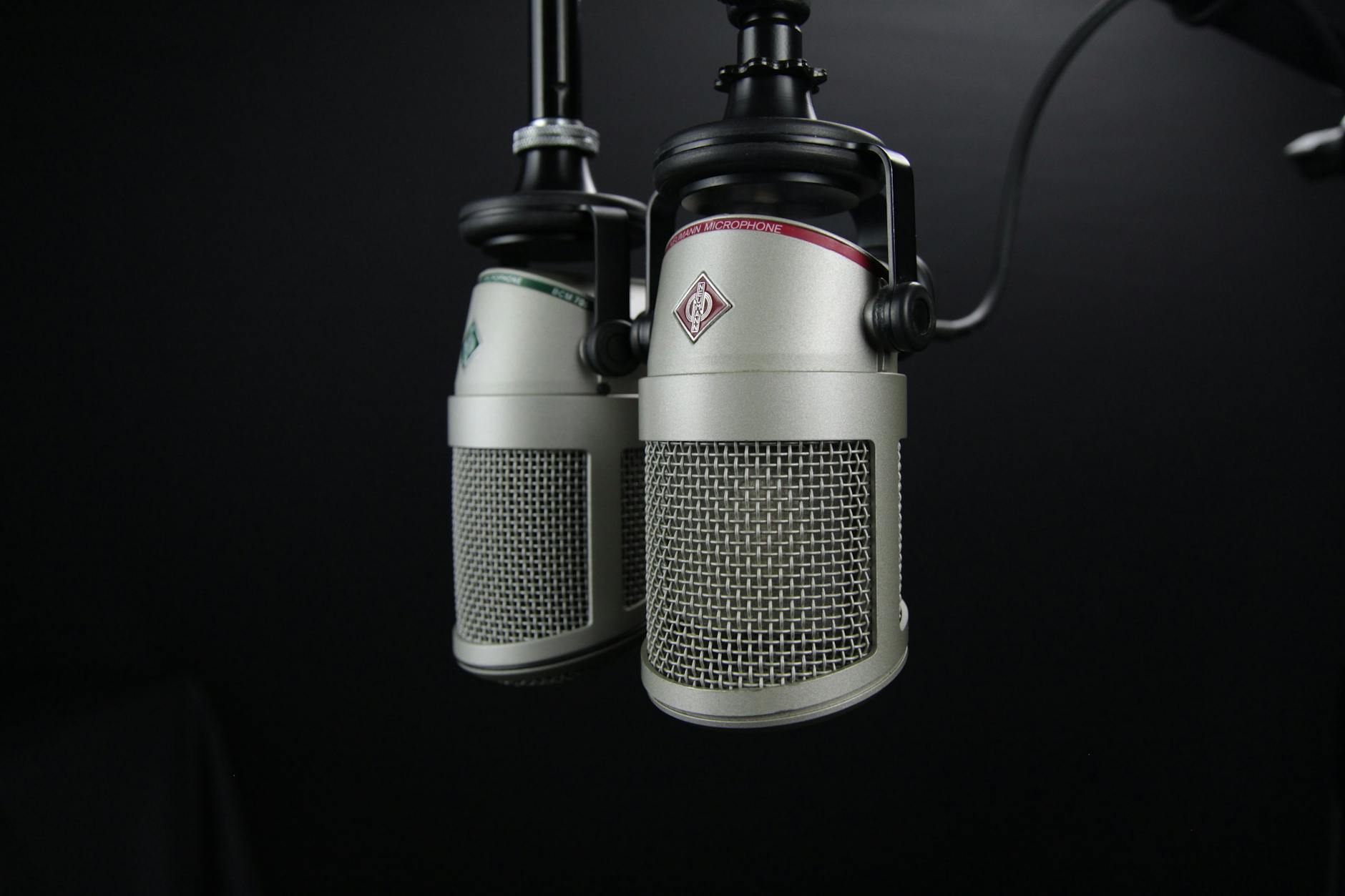
In the heart of Melbourne's bustling arts district, you'll find an array of specialty recording studios that are pivotal to any audio producer's toolkit. These studios, often embedded within creative hubs in areas like Fitzroy, offer spaces designed to enhance acoustic quality, from treating background noise to refining vocal clarity. A professional microphone is essential for capturing the subtle nuances that distinguish high-quality audio from the standard. With the right equipment, these studios can transform a good idea into a captivating auditory experience.
Live Performance Spaces
Melbourne's sound studios in Southbank aren't just renowned for their pristine recording capabilities but also for their exceptional live performance spaces. These venues are tailored to create an environment where artists and producers can experiment and refine live sessions, capturing the energy and spontaneity that a live audience brings. As you navigate this vibrant scene, it's crucial to ensure your setup can handle the demands of live recordings without compromising sound integrity.
Acoustic Design Innovations
The creative hubs of Fitzroy are continually buzzing with innovations in acoustic design tailored for audio production. These advancements focus on optimizing sound reflection and absorption, crucial for achieving that crystal-clear quality in recordings. By integrating cutting-edge design elements, studios can offer more flexible and adaptive environments that enhance both recording and post-production phases. Knowing which elements to prioritize in your studio setup can elevate your projects and keep you competitive in the evolving audio landscape.
Audio Technology Trends
Cutting-Edge Sound Equipment
In the heart of Melbourne's bustling arts district, audio equipment continues to shape the landscape of sound production. As an audio-savvy producer, staying updated on innovations is crucial. Consider the latest advancements in audio equipment; they offer unrivaled fidelity and versatility. High-end microphones and mixers play a pivotal role in achieving pristine sound quality, which is why exploring the options available from top manufacturers can elevate your production to new heights.
Integration of Digital Tools
Digital tools are transforming how audio professionals craft and refine their projects. Software for sound editing and production is now more robust and accessible than ever, integrating smoothly into existing workflows. By incorporating cutting-edge software solutions, you can streamline production processes and unlock creative possibilities previously limited by hardware constraints.
Enhancements in Sound Quality
Sound quality is at the forefront of technological advancements, with innovations improving clarity and depth in audio production. For those working in notable sound studios around Southbank, leveraging these enhancements can set your projects apart. New noise-reduction technologies, alongside advanced processing algorithms, provide a level of detail and realism that resonates with listeners.
Embrace these tools and insights to remain a step ahead in the competitive audio production field. Understanding these trends will not only enhance your technical prowess but will also keep your productions relevant and engaging in the dynamic world of audio.
Practical Insights for Success
Embrace Emerging Audio Technologies
In the heart of Melbourne's creative scene, staying ahead means diving into the latest audio equipment rental Sydney technologies. Whether you're exploring the bustling arts district or setting up shop in the sound studios in Southbank, a keen understanding of new tech is vital. Take advantage of advancements like AI-driven audio editing tools and wireless interfaces that have been revolutionising the sound production landscape. Keep an eye out for upcoming innovations at local networking events and workshops in Fitzroy—these gatherings are goldmines for learning and inspiration.
Forge Dynamic Collaborations
Success in audio production often hinges on collaboration. Melbourne’s vibrant creative hubs, particularly those in Fitzroy, offer endless opportunities. Engage with fellow artists in multidisciplinary spaces to expand your network and creative horizons. Remember, the most impressive projects often stem from diverse minds working in harmony. Connect with multimedia designers, digital artists, and fellow producers to explore exciting collaborations that push the boundaries of traditional audio work.
Balance Creativity with Technology
Navigating the delicate balance between creativity and technology is crucial for thriving as an audio producer. While embracing cutting-edge tools can enhance your work, never lose sight of the creative background that truly drives your projects. Frequent visits to local venues, like the unique recording studios and live spaces, can provide fresh perspectives and inspire innovative production techniques. By merging technological knowledge with creative passion, you can produce sounds that resonate with Melbourne's eclectic culture and beyond.